
Free Estimate!
For the fastest reply, call us at 770-713-0101.


Our owner has earned numerous awards through his businesses. Read More
Free Estimate!
For the fastest reply, call us at 770-713-0101.
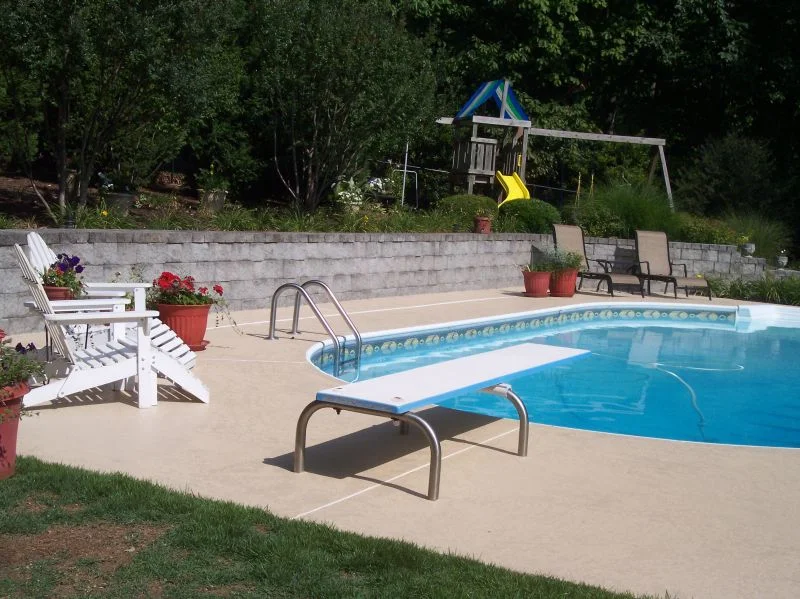
You had your beautiful concrete driveway installed three years ago. It looked pristine on day one. Now? Water pools on the surface, stains won’t come out, and cracks are beginning to spread. The frustrating part: all of this was preventable with one simple step you completely forgot about.
Concrete sealing isn’t glamorous, and it’s easy to put off. However, it’s quite possibly the single most important maintenance task you can perform on your concrete surfaces. Furthermore, a consistent sealing schedule is the difference between concrete that lasts 25+ years and concrete that deteriorates within 5-10 years.
The financial impact is staggering. Neglecting sealing can cost you thousands in premature repair or replacement. Conversely, staying on schedule protects your investment and keeps your Georgia concrete surfaces looking beautiful and functional for decades.
Let’s create a concrete sealing schedule you’ll actually follow—one that saves you thousands and eliminates the guesswork.
Before we discuss schedules, let’s understand why sealing is so critical.
Concrete is porous, meaning it absorbs water and contaminants readily. When water penetrates the surface, several destructive processes begin:
Consequently, what starts as a minor maintenance task becomes a costly repair within just a few years of neglect.
The math is simple: spending $1,000 on sealing every few years saves you 8,000-15,000 in replacement costs. That’s an ROI of 800-1,500% on your maintenance investment.
Not all concrete requires the same sealing schedule. Understanding your specific surface helps you create an accurate maintenance calendar.
The type of sealer you use dramatically affects your maintenance schedule. Specifically, understanding these differences helps you plan accordingly:
Our state’s climate creates specific demands for concrete maintenance.
Therefore, Georgia concrete typically needs sealing more frequently than concrete in drier climates. Plan for resealing every 18-24 months for acrylic sealers, or every 2-3 years for penetrating/hybrid options.
Now, let’s build your actual sealing schedule based on your specific situation.
If your concrete was sealed with acrylic sealer (the most common choice), here’s your maintenance calendar:
Mark these dates in your phone calendar with recurring yearly reminders for spring pressure washing and a reminder two years from installation for resealing.
If you invested in penetrating or hybrid sealers, your schedule is more forgiving:
Moreover, penetrating sealers often provide better value because fewer applications are needed over time.
Stamped concrete surfaces require more aggressive maintenance due to their textured patterns. Additionally, because stamped concrete represents a larger initial investment, protecting it is even more critical:
While this sounds demanding, it’s significantly less expensive than replacing a deteriorated stamped driveway. For more detailed information on stamped concrete maintenance, read our complete guide to preventing stains on stamped concrete walkways.
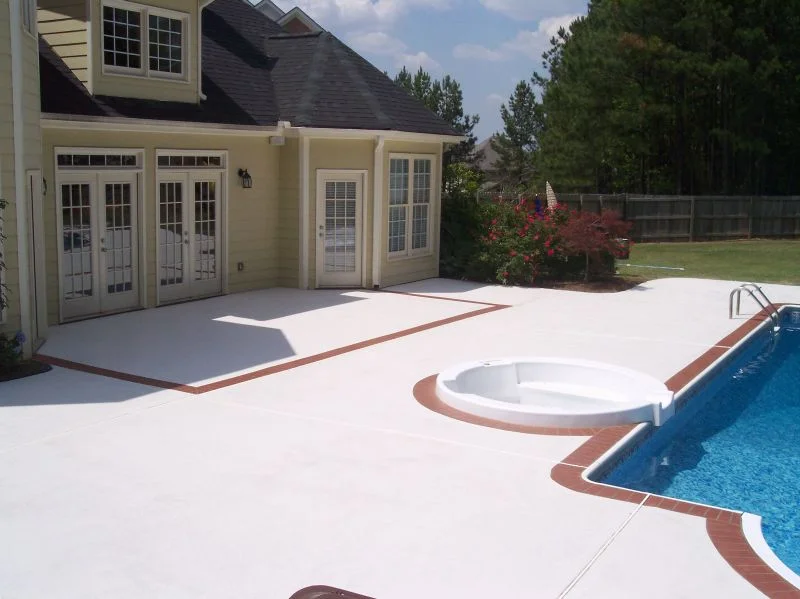
Don’t wait for your scheduled maintenance if you notice these signs—reseal immediately:
Your sealing schedule isn’t your only maintenance responsibility. Regular upkeep extends sealer life significantly.
Spring (critical): Pressure wash at 1,500 PSI or lower to remove winter debris and prepare for summer. Schedule this before your peak season of outdoor use.
Fall: Clean leaves and organic material that can decompose and stain the surface.
Here’s your action plan for creating a sealing schedule you’ll actually follow:
Check your original concrete installation documentation. If unclear, contact your contractor or assume acrylic sealer (most common) and plan for 2-year resealing.
If your concrete is newer, add 2-3 years to the installation date depending on sealer type. If it’s been installed for years, add the time back and reseal now.
Keep records of:
This documentation helps future contractors understand your concrete’s history and maintenance needs.
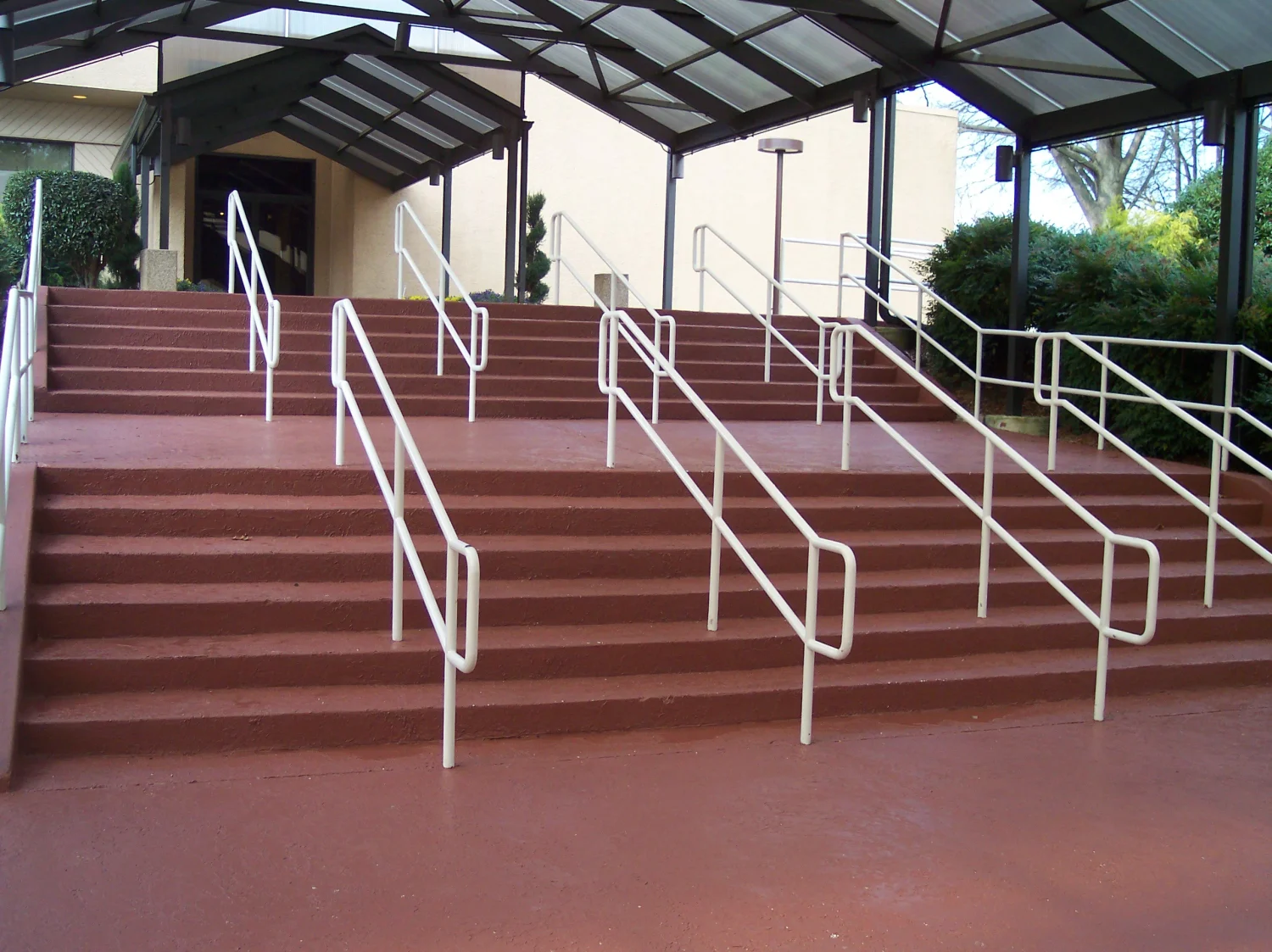
You might be wondering if you can seal concrete yourself to save money. Here’s the honest answer:
While DIY sealing costs less upfront ($300-$600), professional sealing ($600-$1,200) ensures complete protection and typically lasts longer. Therefore, the professional approach usually costs less per year of protection.
A concrete sealing schedule isn’t just maintenance—it’s an investment protection strategy. You’ve already spent thousands on your concrete surfaces. Spending another $600-1,200 every 2-3 years to protect that investment is simply smart homeownership.
At Concrete Ninja, we’ve seen the difference a sealing schedule makes. Properties with consistent sealing look pristine for decades. Properties without it deteriorate rapidly and require costly repairs.
We recommend consulting with the National Ready Mixed Concrete Association (NRMCA) for additional resources on concrete care and maintenance best practices.
Ready to create a concrete sealing schedule that protects your investment? Call Concrete Ninja at 770-713-0101 for a free assessment of your current concrete surfaces.
We’ll evaluate your concrete type, recommend the appropriate sealing schedule, and help you build a maintenance calendar that actually saves you thousands. Because protecting your investment today beats expensive repairs tomorrow.